November 27, 2026 · Khaled Khalil
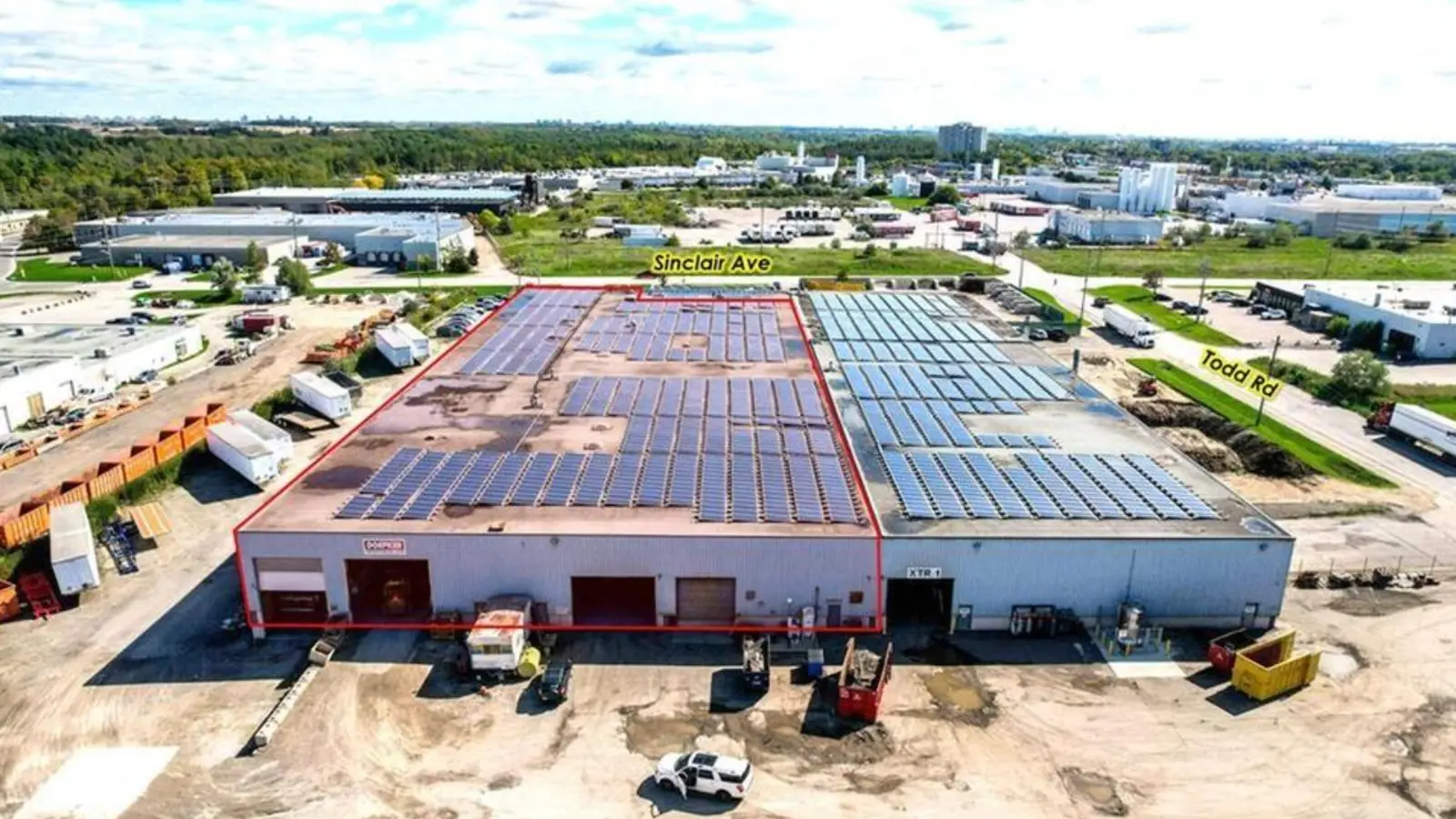
Industrial Real Estate Agent Waterloo Region: Evaluate Space Beyond the Square Footage
If you're looking for an industrial real estate agent Waterloo Region, the first priority should be operational fit rather than the advertised price per square foot. A warehouse or manufacturing building can appear economical and still be unsuitable because of inadequate electrical service, crane capacity, loading configuration, clear height, outdoor storage restrictions or municipal approvals.
Industrial properties in Cambridge, Kitchener and Waterloo should be assessed as working facilities. A serious acquisition or lease search starts with the processes your business must support, then tests whether the building and site can accommodate them without unacceptable cost, delay or risk.
What Should an Industrial Real Estate Agent Ask First?
A useful requirements meeting should establish how the business operates: manufacturing, assembly, warehousing, distribution, service, fabrication or a combination. The agent should distinguish non-negotiable requirements from features that could be upgraded.
Specify overall square footage, office ratio, required clear height, loading style, column spacing, yard needs, trailer parking, vehicle circulation, hours of operation and occupancy timeline. For production users, add electrical demand, floor load, crane requirements, compressed air, gas and ventilation.
Without that operating brief, a search may produce a large number of properties that are commercially irrelevant. See our commercial representation services for broader transaction support.
Why Is Electrical Capacity Often More Important Than Square Footage?
A building's electrical suitability depends on more than a headline amperage figure. Buyers and tenants should determine the voltage, phase, existing service, connected load, panel and transformer configuration, available spare capacity and potential utility upgrades.
A listing that advertises a particular amperage does not guarantee that the service can supply the proposed machinery or that expansion is immediately available. Obtain appropriate electrical drawings, bills and equipment schedules. Engage a qualified electrical professional and the relevant utility when evaluating a material power requirement.
If a facility needs a substantial service upgrade, the cost and delivery timeline can eliminate an otherwise attractive option. Make capacity verification an explicit due-diligence milestone instead of relying on marketing claims.
How Should Crane Capacity and Clear Height Be Evaluated?
For crane-equipped manufacturing facilities, confirm rated lifting capacity, hook height, runway dimensions, span, bay layout and maintenance or inspection records. Nominal crane tonnage alone may not describe whether it suits the production process.
A user needing five-ton lifting capability should verify the equipment's current certification, usable hook coverage and whether the supporting structure is appropriate for the intended work. Specialist review may be necessary before operating or modifying cranes.
Warehouse clear height also matters, but it must be measured to actual limiting features such as joists, ducts, sprinklers and lights. A high roofline does not necessarily translate into usable racking height or clearance for the intended equipment.
What Is the Difference Between Truck-Level and Drive-In Loading?
Truck-level loading typically accommodates trailers at dock doors, while drive-in doors allow vehicles to enter at grade. The correct arrangement depends on the business's logistics and vehicle mix.
Inspect door sizes, number of doors, dock equipment, apron depth, turning radius, site grades and whether trailers can manoeuvre safely without obstructing adjacent tenants. A listing's count of loading doors is not enough to establish throughput.
Outdoor storage and overnight trailer parking require separate investigation. A paved area may not be legally permitted for the intended use, and condominium or landlord rules can impose additional restrictions.
How Do Zoning and Permitted Uses Affect an Industrial Search?
An industrial designation or prior manufacturing occupancy does not establish that every industrial operation is allowed. Municipal zoning can distinguish among manufacturing, warehousing, outdoor storage, vehicle service, waste-related uses and other activities.
Verify the specific zoning by-law and site requirements with the relevant municipality. Changes in use or alterations can also trigger building permits, fire-code considerations, parking requirements and other approvals.
If the transaction involves a potentially environmentally sensitive property or a change to a more sensitive use, have legal and environmental specialists assess what investigations and regulatory steps are required. Ontario's Record of Site Condition framework is governed in part by O. Reg. 153/04, but its applicability depends on the specific property and intended use.
Should You Lease or Buy an Industrial Facility?
Leasing can preserve capital and offer relocation flexibility, but it can expose the business to renewal pricing, landlord approvals and restoration obligations. Ownership may offer control and long-term occupancy security, but requires capital, financing and responsibility for major building systems.
Compare total occupancy economics rather than headline rent. For a net lease, investigate additional rent, taxes, insurance, utilities, maintenance, repairs and capital responsibilities. For a purchase, model mortgage payments, property taxes, insurance, maintenance, transaction expenses and capital reserves.
An equipment-intensive operation may also need to budget for crane installation, electrical upgrades, ventilation, floors or loading alterations. The cheapest initial rent may not produce the lowest total business cost.
What Should Go Into an Industrial Letter of Intent?
An LOI should clarify the business requirements and the essential commercial terms, while making clear which provisions are intended to be binding or non-binding, subject to legal advice.
Important subjects can include premises and parking, permitted use, delivery condition, rental structure, additional rent, fixturing period, tenant improvements, renewal rights, assignment, restoration and responsibility for major systems.
Where a facility depends on power, crane operation or municipal approval, the parties should consider explicit due-diligence or conditional provisions and realistic verification timelines. Do not rely on verbal assurances about capacity or permitted uses.
What Matters When Buying an Existing Industrial Building?
Beyond the price and layout, investigate structural and roof condition, environmental history, fire and life-safety systems, property boundaries, access rights, title matters and deferred maintenance.
Industrial buildings may have specialized systems that are costly to repair or replace. Review available service records and consider appropriate building condition, environmental, structural and electrical assessments.
A functional building at the right price can be valuable, but uncertain compliance or large unbudgeted upgrades can materially affect its investment or owner-user economics. The commercial property portfolio provides broader context on property types covered by the business.
How Do You Compare Kitchener, Waterloo and Cambridge Industrial Locations?
The right location depends on highway access, workforce needs, supplier proximity, delivery patterns, site configuration and the industrial use itself. Do not assume a property near Highway 401 is automatically superior if travel paths, loading or site restrictions make it impractical.
For multi-location occupiers, compare door-to-door truck access and employee travel alongside rent and technical suitability. A suitable industrial building should allow the business to operate now and, where relevant, expand without major new barriers.
For related discussions of lease economics and representation, see the commercial leasing guide.
What Should Be Verified Before Signing?
Prioritize evidence on the requirements that can make or break the transaction: utility service, crane and structural capacity, permitted use, environmental status, loading, occupancy approvals and the full cost of improvements.
A good industrial search may reject many properties before a showing. That is not a failure; it prevents time and capital from being committed to facilities that cannot support the business.
[Discuss your industrial leasing or acquisition requirements with Khaled Khalil](https://khaledkhalil.ca/commercial) to build a focused search in Kitchener, Waterloo or Cambridge.
This guide is general information and does not replace engineering, legal, environmental or municipal due diligence.
Sources
Related Insights
- Commercial Leasing Agent Mississauga: What Landlords and Tenants Should Know Before SigningCommercial Real Estate · October 19, 2026
- Commercial Leasing Agent Waterloo Region: What Tenants and Landlords Should ExpectCommercial Real Estate · September 28, 2026
- Retail Leasing Kitchener-Waterloo: What Tenants and Landlords Need to Know in 2026Commercial Real Estate · September 14, 2026
Stay in the loop
Be the first to know when I publish new Ontario market insights and analysis.
No spam. Unsubscribe anytime.
Khaled Khalil
REALTOR® · Sales Representative · Century 21 Heritage House Ltd., Brokerage
647-930-7154 · deals@khaledkhalil.ca